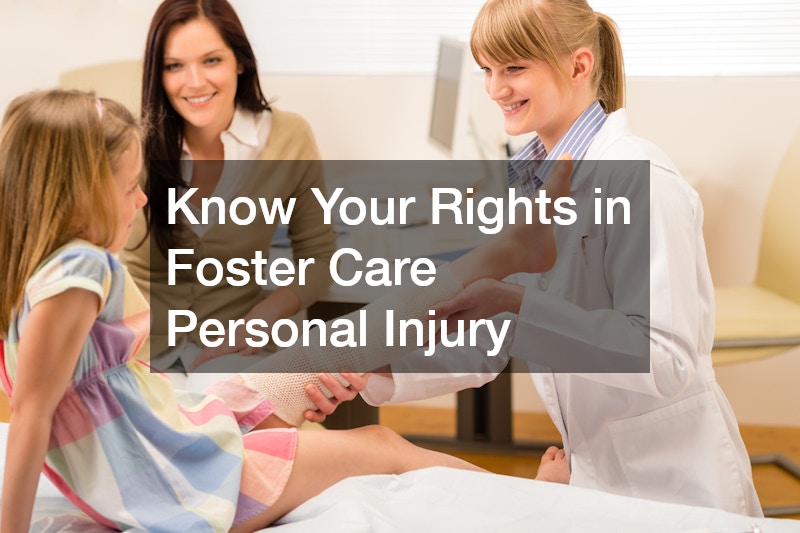

The context of foster care presents unique challenges and necessities when it comes to understanding legal rights in the event of personal injuries. Such knowledge provides foster children and their advocates with the tools needed to protect against and address injustices effectively.
The complexities inherent in foster care systems make it crucial to learn about specific regulations and protections meant for vulnerable populations. A thorough understanding of these legal frameworks can help mitigate the risks and impacts of personal injuries.
This article aims to explore the multifaceted realm of foster care law, emphasizing the importance of awareness and proactive measures in safeguarding foster children’s wellbeing and the benefits of consulting foster care personal injury lawyers.
1. What Legal Protections Exist for Foster Children?
1.1 Overview of Foster Care Regulations
Foster care regulations are designed to ensure a safe and nurturing environment for children placed out of their biological homes. These laws vary significantly from state to state, contributing to a complex legal landscape.
It is critical that foster parents and caregivers comprehend these regulations to maintain compliance and provide adequate care. Understanding these rules also enables accountability and addresses violations effectively.
With over 400,000 children in foster care at any given time, consistent and clear regulation becomes essential. The patchwork nature of these laws requires ongoing education and adaptation to maintain effectiveness.
1.2 Rights Under Child Welfare Laws
Child welfare laws aim to protect the fundamental rights of all minors, with additional provisions for those in foster care. These laws underscore the importance of safety, health, and stability for children.
Foster children are entitled to a life free from abuse, access to education, and necessary healthcare services under these statutes. Ensuring they receive these rights is vital for their overall development.
Advocates play an essential role in enforcing these rights, emphasizing both prevention of harm and redress for violations. Support from legal bodies ensures these rights are upheld and foster care systems function as intended.
1.3 Understanding the Role of Social Workers and Advocates
Social workers and advocates form the backbone of support systems for children in foster care. Their role is to facilitate communication between the child, foster parents, and the legal system.
By offering support and guidance, social workers help navigate complex emotional and legal landscapes. Their expertise is instrumental in addressing the unique challenges faced by children in care.
Advocates also serve to amplify the voices of foster children, ensuring their concerns are heard and acted upon. Together, social workers and advocates strive to uphold the dignity and rights of every child in the system.
2. How Can Foster Children Pursue Personal Injury Claims?
2.1 Determining the Grounds for a Personal Injury Claim
Foster children can pursue personal injury claims if they experience harm due to negligence or abuse while in care. Determining valid grounds requires careful examination of the circumstances and applicable laws.
These claims often involve thorough investigations and the collection of substantial evidence. Legal expertise is essential to discern the nuances of these cases and to build a viable claim.
Ensuring the protection of children within the foster system involves not only advocacy but also the pursuit of legal remedies when necessary. The existence of legitimate grounds can stimulate corrective actions within the system.
2.2 Legal Representation and Advocacy for Minors
Minors in foster care require dedicated legal representation to navigate personal injury claims. This involves special advocacy roles designed to cater specifically to the needs of children in such positions.
Appointed attorneys and guardians ad litem play crucial roles, providing guidance and representation throughout the legal process. Their involvement ensures the child’s voice and interests are prioritized.
Developing trust and communication between the represented child and their legal team is essential. This fosters an environment conducive to asserting and defending the child’s rights in any legal context.
2.3 Navigating the Legal System
The legal system can be daunting for anyone, especially children navigating complex injury claims. Structured support and informed guidance are crucial to demystifying this process.
Understanding court procedures, deadlines, and paperwork is vital in these cases, thus thorough education and legal advocacy are crucial. It involves teamwork among social workers, legal professionals, and caregivers.
Facilitating effective legal navigation ensures that the outcomes align with the child’s best interests. This reinforces confidence and promotes justice within foster care systems.
2.4 Financial Compensation and Settlements
Personal injury claims in foster care settings may result in financial compensation for the affected child. Settlements can cover medical expenses, therapy, and other associated costs of recovery.
The aim of such compensation is to alleviate the challenges associated with the injury and ensure resources are available for healing and support. Justice in this regard not only addresses the immediate harm but aids in long-term recovery.
Careful negotiation and understanding of settlement terms are critical to achieve fair outcomes. Expert legal counsel ensures all pertinent factors are considered in these financial resolutions.
3. Who is Liable for Injuries in Foster Care?
3.1 Identifying Responsible Parties
Determining liability in personal injury cases within foster care involves identifying the parties responsible for the child’s safety. This can include foster parents, agencies, or biological parents depending on circumstances.
A detailed investigation is required to pinpoint how and why an injury occurred, which can involve looking at various systems and protocols. Liability assessments help determine pathways toward justice and prevention.
Establishing responsibility not only aids in the resolution of the current issue but also helps to mitigate similar instances in the future. Ensuring accountability is a cornerstone of fostering legal and ethical care standards.
3.2 Liability of Foster Parents
Foster parents are entrusted with the care and protection of their foster children, and as such, they can be held liable for injuries. This liability extends to negligence and failure to prevent harm.
Training and regular assessments help ensure foster parents meet the standards required for care. These measures are vital in preemptively addressing potential concerns and preventing injury.
Fostering an open dialogue with foster parents helps to standardize care protocols and expectations. This encourages transparency and accountability, promoting a safer environment for children.